
Redefining EVS and Patient Experience with Standout Results

LCMC Health System partnered with Crothall EVS to redefine its environmental services program across its eight hospitals, establishing a standardized approach to service excellence. With its proven expertise, expansive scale, and unwavering commitment to excellence, Crothall EVS was the ideal partner to transition EVS from a long-standing vendor system-wide.

Download the Full Case Study
  • 82.0

    HCAHPS Score (Above State and National Averages)

  • 22

    Decrease Room Turn Time

  • 33

    Decrease ED Turn Time

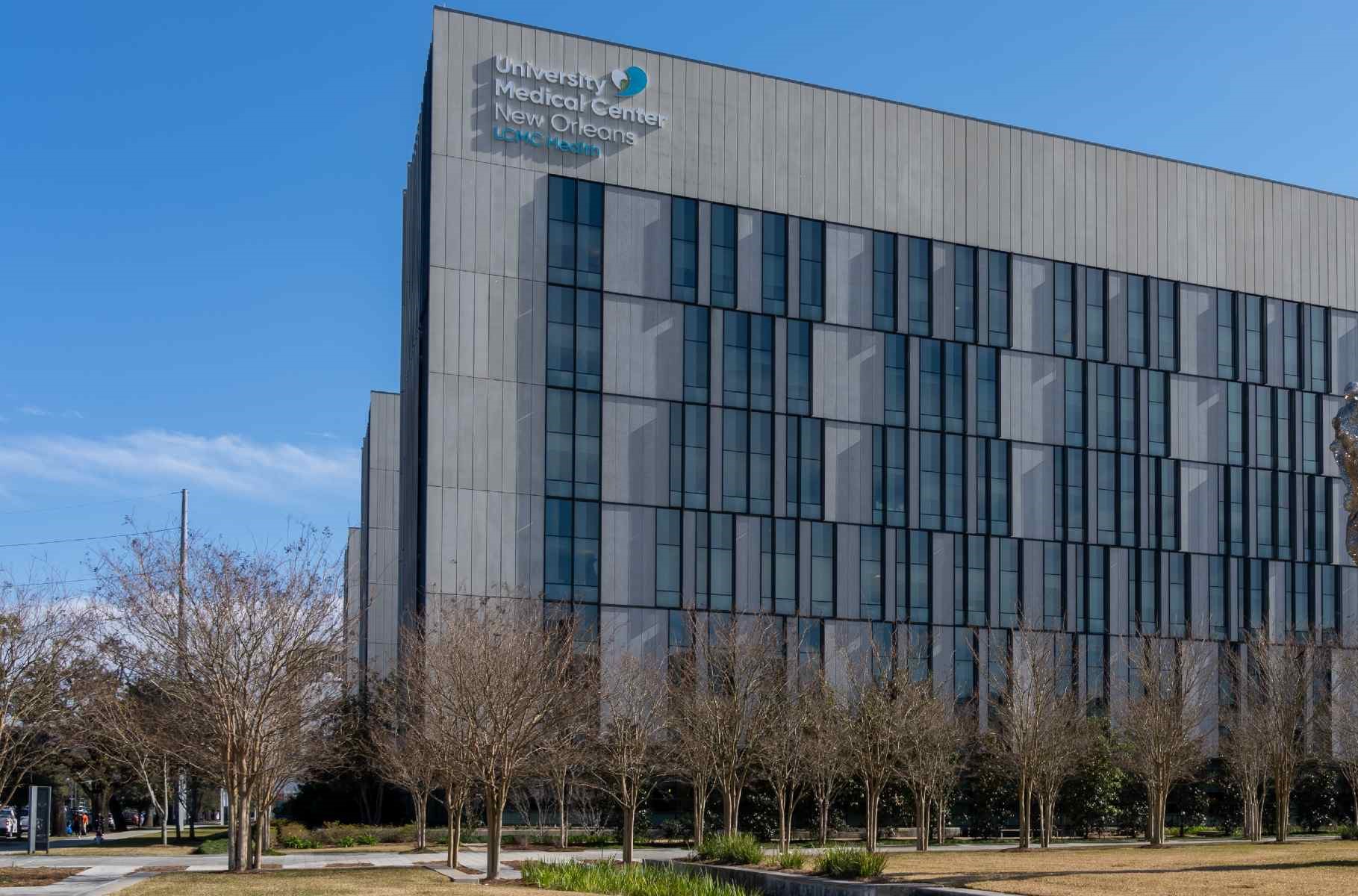
University Medical Center (UMC) New Orleans

This partnership stands out as a prime example of how collaboration delivered measurable impact immediately after the roll out. The transition at UMC brought enhanced service quality, standardized processes, and elevated patient experience, all while maintaining operational excellence.

  • 446 Inpatient Beds

  • 2.3M Sq. Ft

  • 2,679 Employees

  • 64,000+ ER Visits

The Challenge

As part of LCMC Health’s system-wide effort to elevate environmental services across eight hospitals, they faced the challenge of transitioning from a long standing vendor while ensuring uninterrupted service excellence. Each site required tailored approaches to align with LCMC’s broader vision for a standardized and high-performing EVS program.

At UMC, this meant addressing specific operational needs, preparing team members for new protocols, and enhancing patient experience without disrupting care.

  • A seamless implementation of standardized processes tailored to UMC’s operations.
  • Comprehensive onboarding and ongoing training to empower transitioning team members.
  • A heightened focus on patient engagement and cleanliness standards to enhance patient experience.

Our partnership with LCMC Health represents the power of a system-wide approach to environmental services. Each hospital, including UMC, had unique needs, but our focus on standardized processes, team training, and the patient experience ensured measurable success across the network. UMC stands out as a prime example of how collaboration and expertise can drive meaningful change.

Steven Willis Crothall Regional Director of Operations

Solutions

Elevate Cleanliness and Patient Experience
Crothall EVS implemented its signature program, Positive Impressions, to complement High-Profile Cleaning, combining standardized cleaning
protocols creating a cleaner, more welcoming environment ensuring meaningful engagement and consistent care while driving measurable
outcomes.

Patient Ambassadors were introduced to bridge the gap between EVS and patient care, fostering trust and connections. The “Every Patient, Every
Day” initiative was launched to prioritize daily visits to patients in key units.

A dynamic employee recognition program was launched celebrating milestones, high performers, while fostering a culture of pride and accountability, driving team engagement and operational excellence.
Accelerate Room Turnaround with Targeted Strategies
Crothall rolled out enhanced cleaning protocols and real-time auto assignment tools to streamline task management, enabling faster responses
to cleaning needs.

Monthly training, HIPAA compliance courses, and new hire onboarding for UMC EVS team members provided the foundation for standardized
protocols. Annual safety refreshers and re-certifications reinforced a culture of safety and accountability.

Established targeted training programs for leaders to strengthen decisionmaking, foster accountability, and effectively guide teams in streamlining
operations and maintaining a consistent focus on service excellence.
Reduce ED Turnaround Time with Focused Solutions & Technology
Prioritized full staffing across all three shifts from day one, Crothall EVS ensured consistent support essential for UMC’s Level 1 Trauma Center.

Leveraged Epic Rovers to streamline task management, replacing a less efficient dispatch system. Focused training and integration ensured consistent use and optimized operational workflows.

Crothall’s improved cleaning protocols, real-time feedback systems, and increased leadership rounding ensure high-traffic areas are prioritized.

Placed the right people in key roles and fostered accountability with consistent leadership support to drive operational efficiency and responsiveness.