
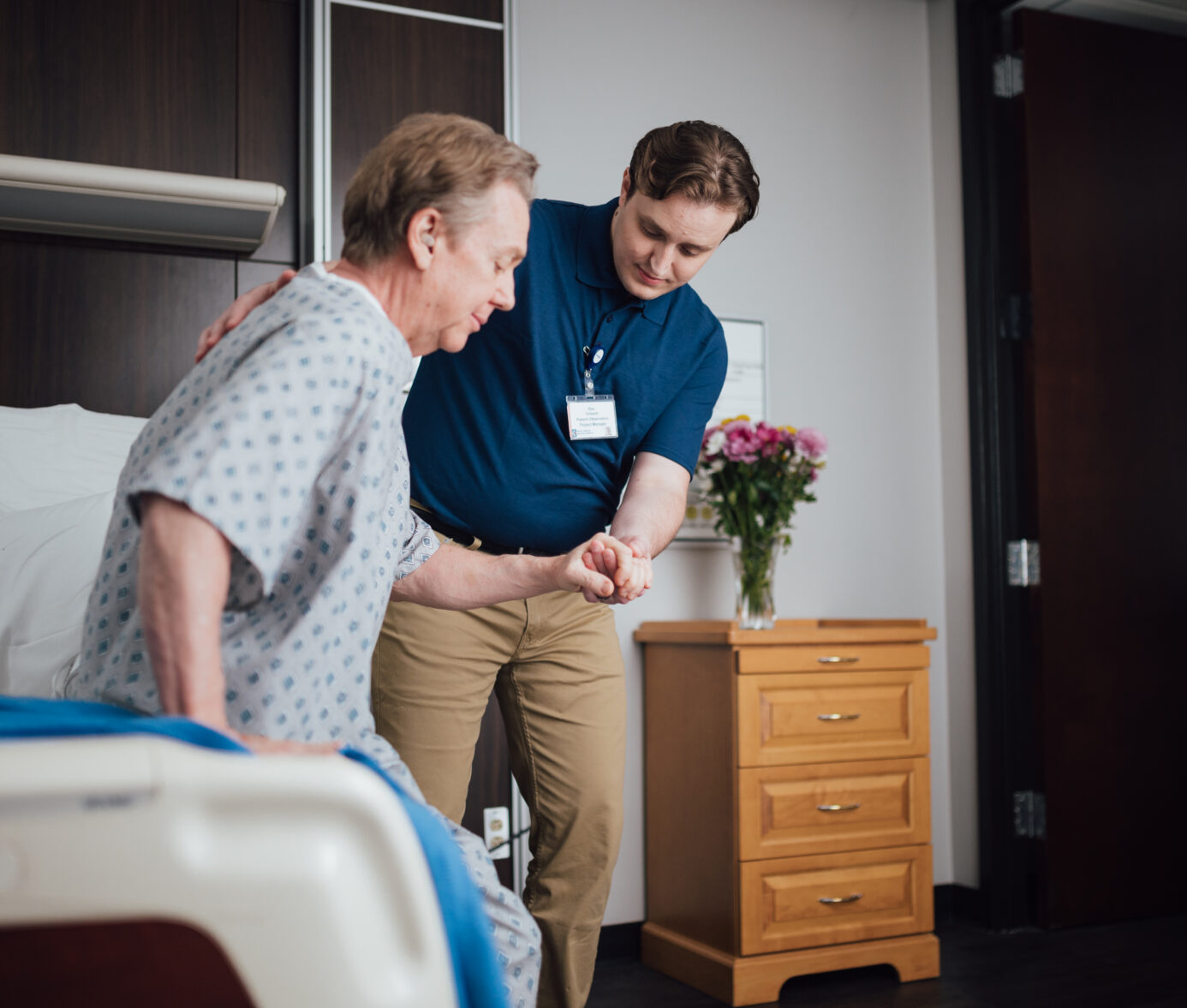
Patient observation is often misunderstood as simply “watching” a patient, yet its impact extends across patient safety, workforce stability, and clinical flow. In today’s care environments, observation requires trained awareness, consistent documentation, and recognition of subtle changes before escalation occurs. Myth vs. Fact explores common assumptions about patient observation programs and examines how structured approaches translate into real-world safety, workforce support, and operational stability.
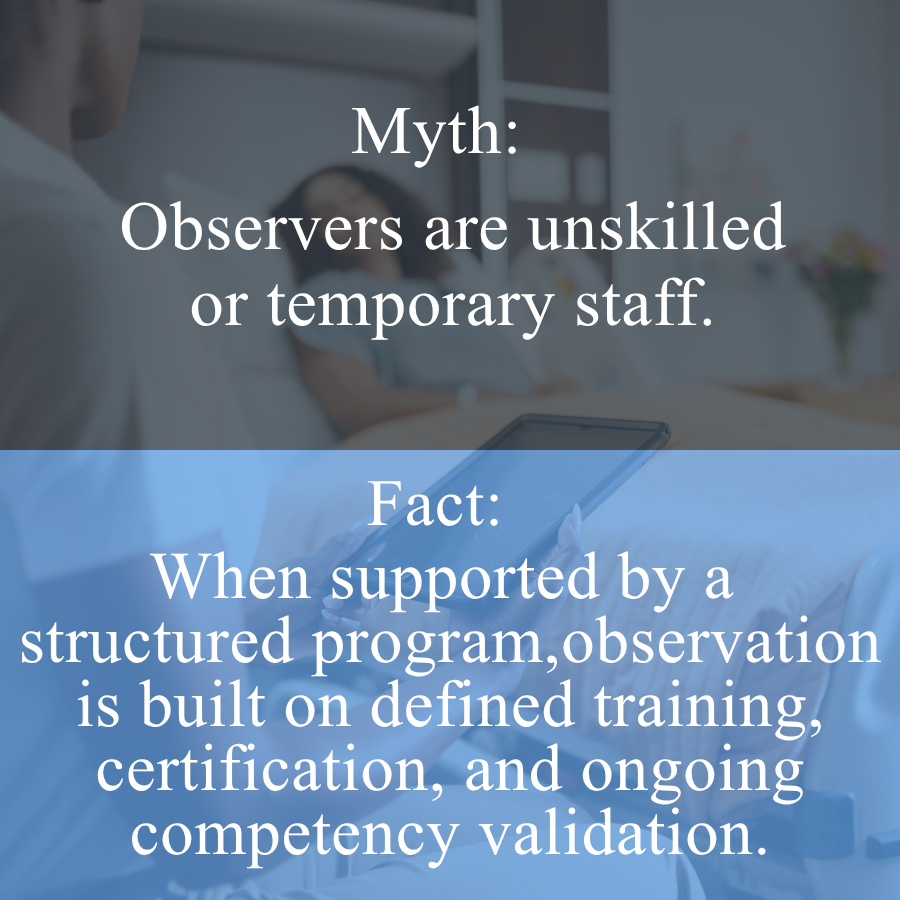
Observers are trained to recognize early signs of distress, communicate clearly, and respond appropriately to maintain patient and staff safety.
This is critical as national data show two nursing personnel are assaulted every hour in U.S. hospitals. An indicator of the rising need for trained observers who can help identify, de-escalate, and prevent incidents before they occur.
Competency is reinforced through coaching, performance observation, and continuous education that keeps skills current and consistent.
In Practice:
Crothall’s standardized model includes a multi-day onboarding and scenario-based curriculum—often totaling more than 80 hours of blended education annually.
Each observer completes CPI de-escalation, BLS/CPR, and patient safety training tailored to the hospital environment. Training also includes fall risk reduction, play therapy, gender sensitivity, and activities of daily living (ADLs) such as bathing, feeding, and toileting. These activities may be supported alongside nursing technicians, allowing clinical teams to remain focused on top-of-license care.
Competency is verified through structured check-offs and supervisory audits, delivering measurable impact, including thousands of consecutive observation hours without a single fall-related injury across multiple hospital programs.
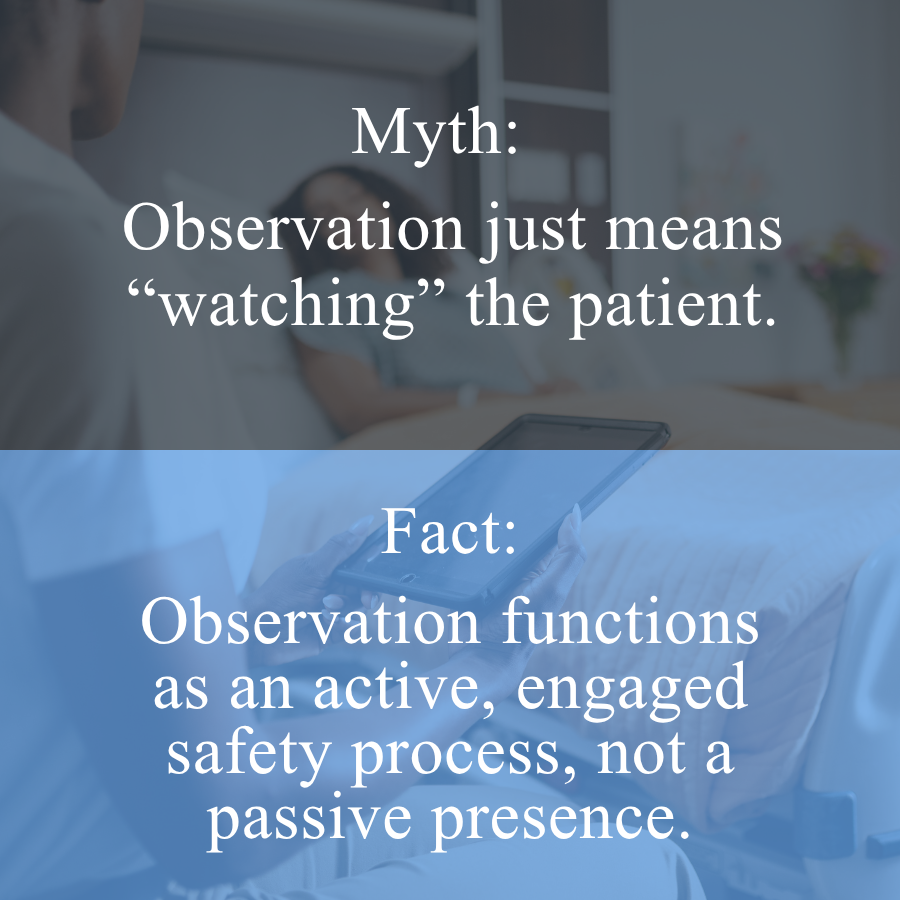
Observers stay alert, composed, and responsive under pressure. Their role centers on awareness—identifying behavioral or environmental risks, documenting observations, and escalating concerns in real time.
In Practice:
Crothall observers use a real-time digital platform that prompts 15-minute patient status updates and automatically alerts supervisors if an entry is missed after three minutes.
Observation data integrates with hospital communication workflows, ensuring nurse leaders and supervisors receive escalation alerts across shifts in real time. Observation staff are trained to recognize subtle changes in speech, movement, and behavior, allowing them to anticipate potential escalation and respond early rather than react after an incident occurs.
This structure ensures continuous attentiveness and reinforces observation as a proactive layer of patient safety.
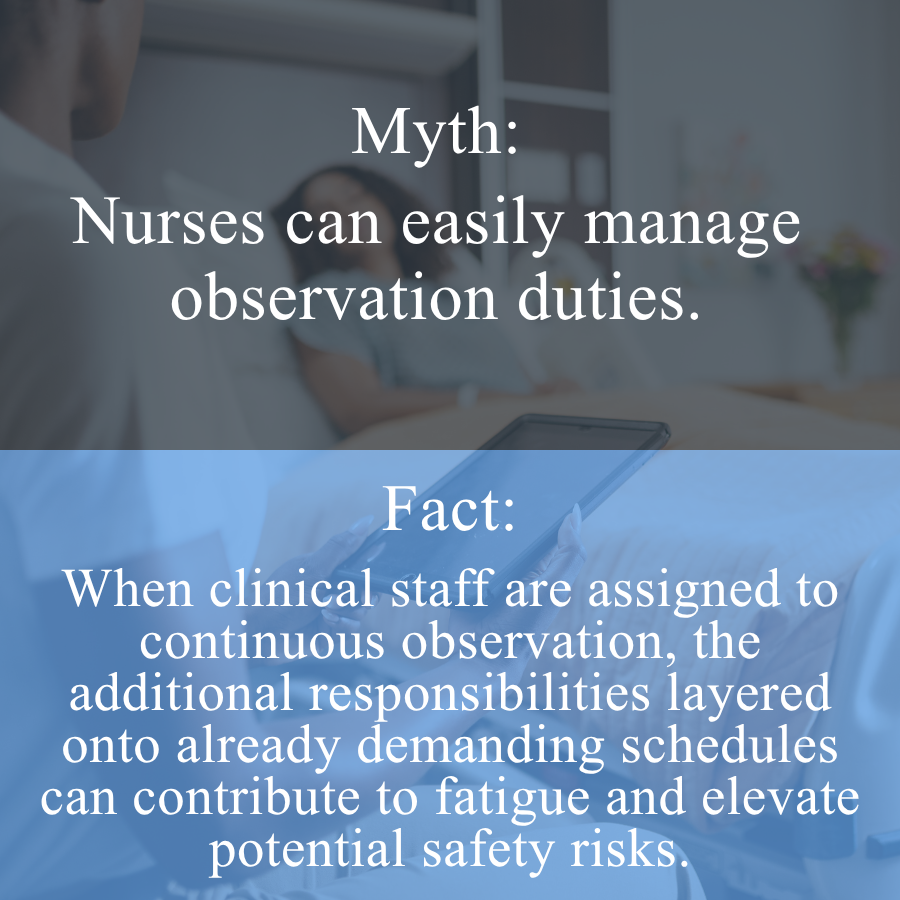
Observation requires focus and consistency—both of which are difficult to sustain while managing patient loads or clinical procedures. Dedicated observation programs allow nurses to focus on delivering care at the top of their license.
In Practice:
Crothall’s dedicated observation teams focus exclusively on patient observation and safety monitoring, supported by technology that provides real-time updates, reinforces attentiveness and supports timely response to patient needs. Their ability to proactively identify concerns and promptly call in additional resources when necessary, provides nursing staff with the confidence and capacity to concentrate fully on delivering clinical care.
By reallocating these duties, hospitals have returned thousands of nursing hours per year back to bedside care—improving engagement and reducing burnout without compromising safety. Programs also maintain cross-trained observer pools and proactive scheduling to ensure uninterrupted coverage, even during high census or staffing transitions.
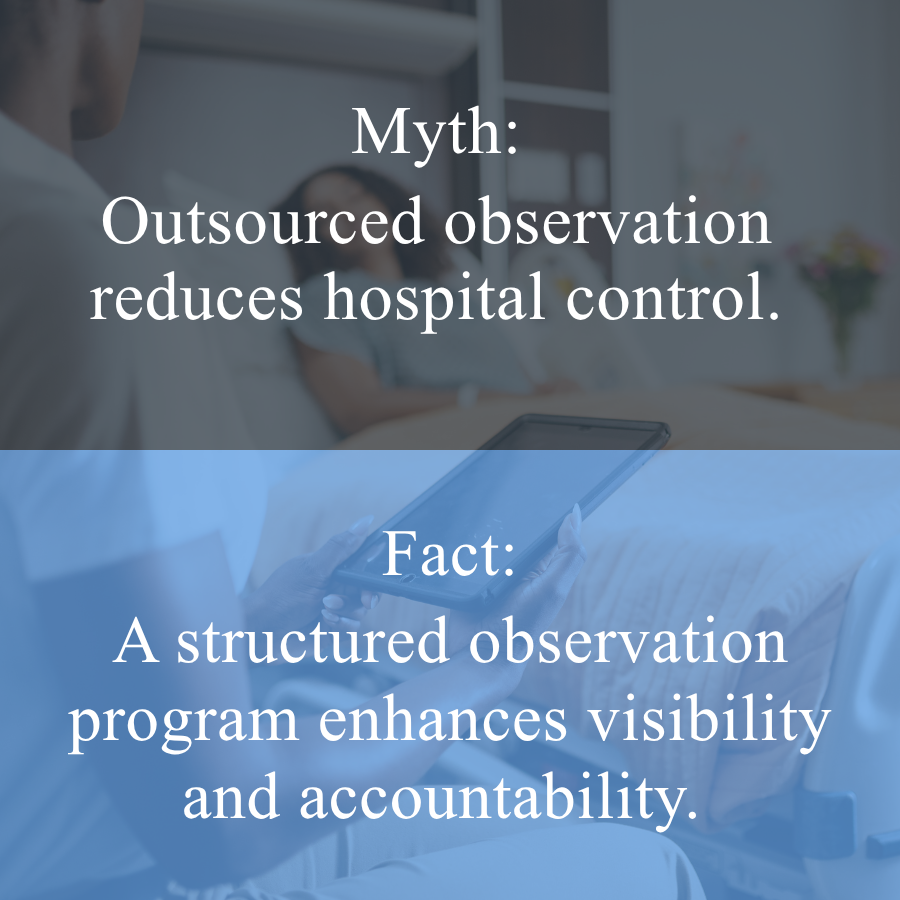
With defined training, standardized documentation, and transparent communication, hospitals maintain full oversight of program performance and compliance.
In Practice:
Crothall’s observation technology provides real-time visibility into observation logs, escalation alerts, and shift coverage data, accessible to nurse leaders and managers at any time. Documentation integrates into the EMR and supports alignment with CMS, DNV, Joint Commission, OSHA, and applicable state requirements. Semi-annual audits conducted by the national observation team or clinical nursing division reinforce consistency and sustained program oversight.
Supervisors also conduct regular documentation reviews, using “teachable moments” to reinforce consistent practices and support ongoing development across observation teams. Insights from these reviews are shared during quarterly business reviews and safety meetings, strengthening continuous improvement and alignment with hospital policy.
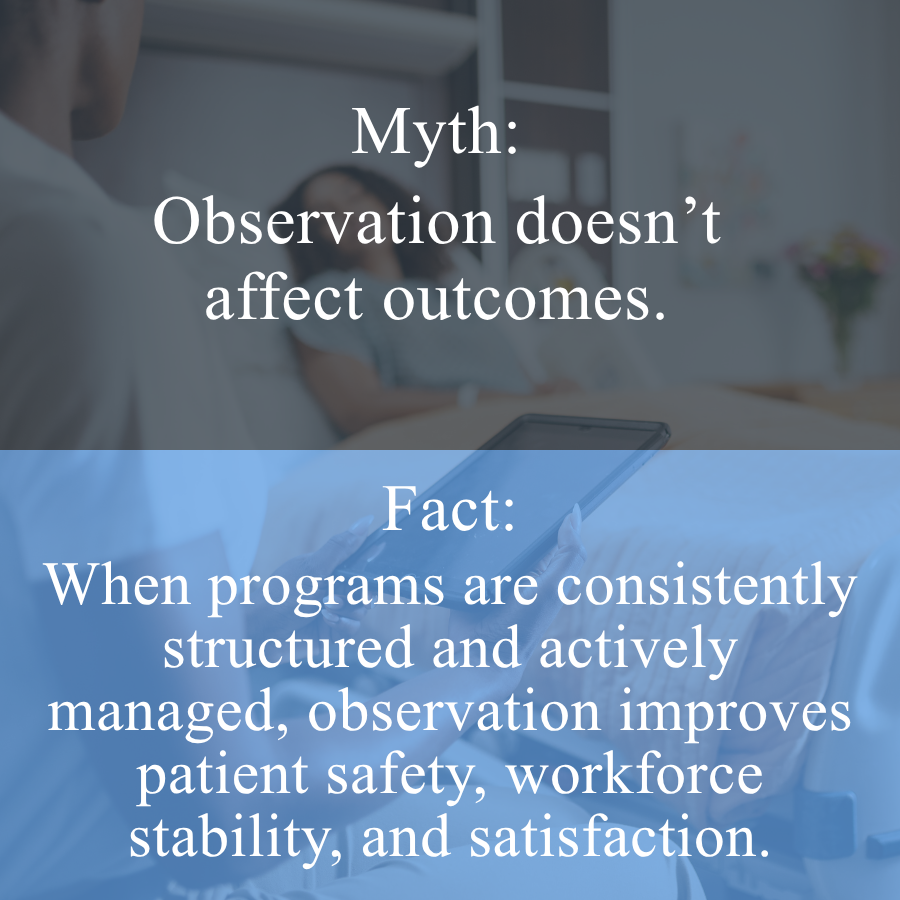
Defined workflows, documentation, and communication protocols reduce the likelihood of falls, elopements, and workplace incidents.
In Practice:
Crothall’s observation programs have delivered sustained periods of continuous coverage—totaling thousands of combined hours—by reducing falls, related injury, and regulatory findings.
Through standardized training, active supervision, and real-time documentation, the program has strengthened patient safety while creating more predictable staffing models and measurable operational stability. Hospitals report zero falls with injury, a 5–10% reduction in observation utilization by eliminating unnecessary coverage, increased patient and nursing satisfaction, a decrease in workplace violence events while eliminating overtime costs following implementation of dedicated observation teams supported by digital monitoring tools.
Patient observation continues to evolve beyond a passive presence. Structured training, real-time insight, and dedicated oversight reinforce observation as a proactive safety strategy that supports patients, strengthens care teams, and brings greater stability to the clinical environment — delivering on the priorities that define every care setting: competence, safety, and support for overextended nurses.
Connect with us to discuss how Crothall Healthcare’s patient observation services can help your organization strengthen safety, support nursing teams, and exceed performance goals.
Related Posts



Let’s Talk About the Right Solution for Your Organization
Get in touch to discuss how Crothall Healthcare’s services and solutions can help your healthcare organization exceed its goals. You’ll learn more about:
- The transparency we bring to outsourced support services
- How we design customized solutions for your unique needs
- The technology and innovation Crothall delivers across all our services